
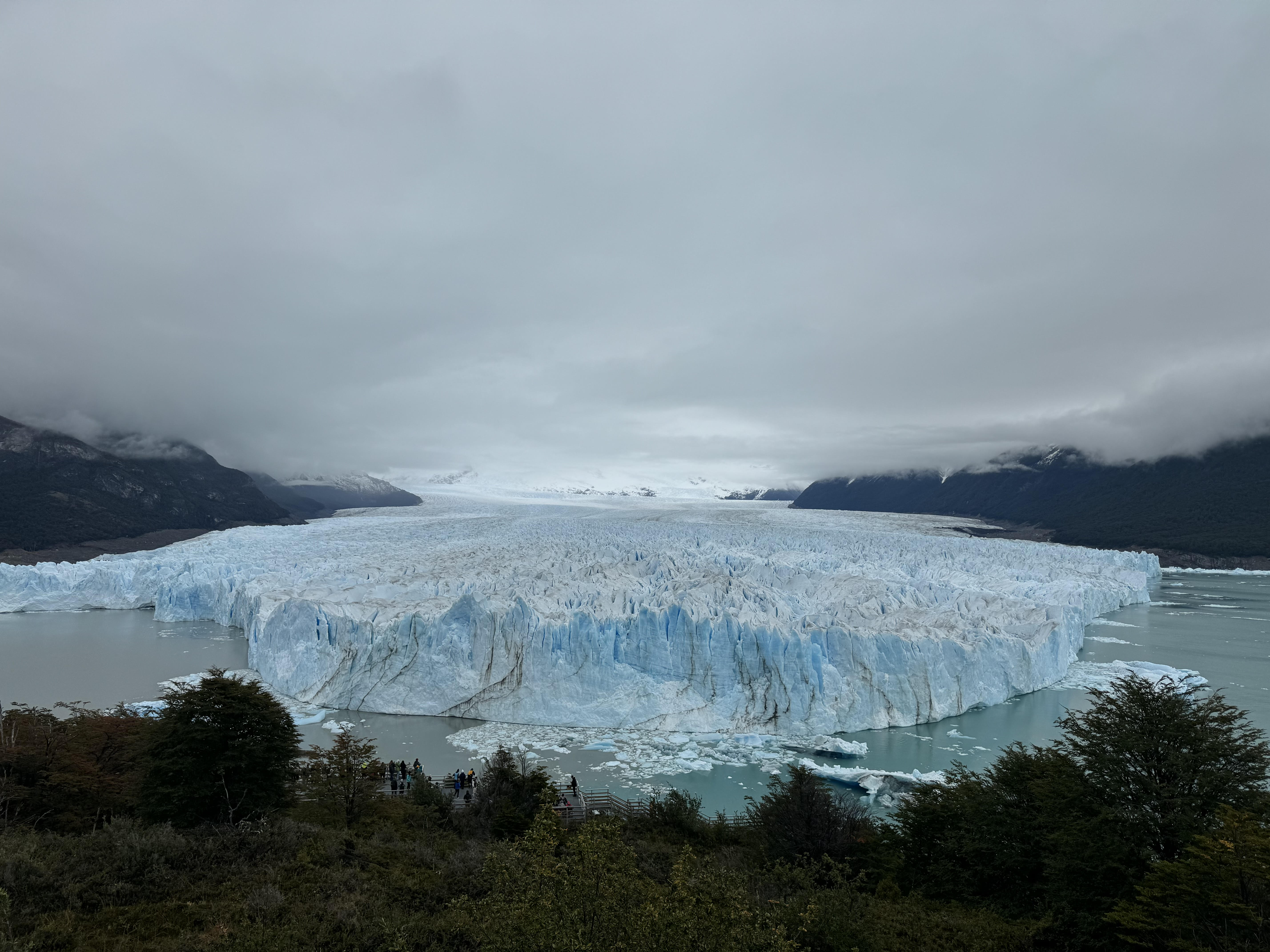
I just got back from an incredible trip to Argentina. I spent a few days in Buenos Aires, and the majority of my time in Patagonia. The trip was magical, healing, and brought me so much joy and peace. In the backdrop of my few days in the much warmer and humid Buenos Aires, however, was a rising concern: dengue and the increase in the number of the mosquitoes that spread the virus.
Dengue broke a record this year in Argentina. The prevalence of the disease has increased by a stunning 2,153% compared to 2023, and 2023 broke its own record. According to experts, the outbreak is a result of rising temperatures (another record) and out-of-season rains which has caused a spike in the number of Aedes aegypti mosquitoes which carry the virus. Coupled with government policy failures, a lack of public awareness as this is an unprecedented situation in the country, and insufficient stocks of insect repellent, the situation is ripe for disaster.
Argentina is not alone in its struggle with dengue. Brazil and Paraguay have also been affected, as have Barbados, Costa Rica, Guadeloupe, Guatemala, Martinique and Mexico. In 2023, India also reported numbers that surpassed figures in the past five years. Occurrence of dengue has increased due to various factors including climate change over the past 50 years globally, and over half the world’s population is at risk. When I was growing up in India decades ago, I had never heard of dengue. During subsequent visits back to India after my family migrated to the Philippines (where the disease is endemic), it became increasingly prevalent and a significant concern. My personal observation is also backed by research.
Dengue symptoms include a high fever, headache, vomiting, skin rash, and muscle and severe joint pain. In rare cases it can cause a more deadly hemorrhagic fever, resulting in bleeding that can be fatal. Management strategies for disease prevention are difficult to execute as they require actions like eliminating the Aedes aegypti mosquitoes, rigorous application of insect repellents, vigilant removal of stagnant water sources for mosquitoes to breed in, and using screens and nets as barriers. A vaccine is available, however, use of the vaccine poses its own potentially harmful complications and it is only recommended under specific conditions. Dengue hemorrhagic fever occurs when a person is infected with two different strains over time. For an individual who is unaware of whether they’ve ever contracted a milder form of dengue, the vaccine can pose severe risks. Only individuals between ages 9-16 confirmed to have contracted dengue should receive the vaccine. If an individual has never been infected and receives the vaccine, infection with a different strain could be deadly and induce a more severe form of the disease. There is very little data available for vaccine efficacy for the population over 16 years of age.
Dengue is hardly isolated as an epidemic that is partly being fueled by climate change. Cholera, chikungunya, Lyme disease, Ebola and other zoonotic diseases that can jump species are also examples of growing concern with climate change and rising temperatures. With human travel between densely populated areas, diseases are spreading to regions previously unfamiliar with them. A shocking example is that local transmission of dengue was first identified in France only in 2010, and the number of cases have more than tripled since. Dengue is known to be a tropical disease and should not be found in a largely temperate climate like France’s.
All this goes to show that the global and alarming spread of diseases like dengue should be a loud wake up call for us. Governments, health care workers, and individuals need to be educated and prepared for changes related to climate variability in order to reduce the impact on human lives and local economies. The most viable long term solution would be to minimize the impact of human activities on climate change, and that means we all have to take climate action in every aspect of our lives – in our homes, at work, and beyond. Each individual has a responsibility to do what we can; our communities and future depend on it. This is one of the reasons why I started volunteering for CARL with the idea that every individual has the power to start today.
Check out our guides to get started!